The gameplay loop
Choose a delivery or passenger need, build compatible stops and infrastructure, create a line, and assign vehicles. Watch the service complete a journey before expanding it. The line is the working connection between the map you build and the demand it serves.
Growth creates new work. A service that meets today’s demand can need a different capacity later; a larger fleet can also create queues. Observe the route and its finances together rather than treating construction as the final step.
Sources: TF3 manual · Lines and Vehicles · TF3 manual · Towns
Which mode should you start with?
| Mode | What it is for | A useful first goal |
|---|---|---|
| Campaign | Eight historical missions; the opening teaches core systems | Complete the introductory objectives before planning a large network. |
| Tycoon / economy-enabled Free Game | Operate a company under configurable economic rules | Prove one short service works before taking on more investment. |
| Sandbox / built-in free-game mods | Construction experiments with adjustable constraints | Test a junction or cargo transfer in a separate save. |
Sources: Urban Games · TF3 FAQ · TF3 manual · Free Game
Follow one delivery from start to finish
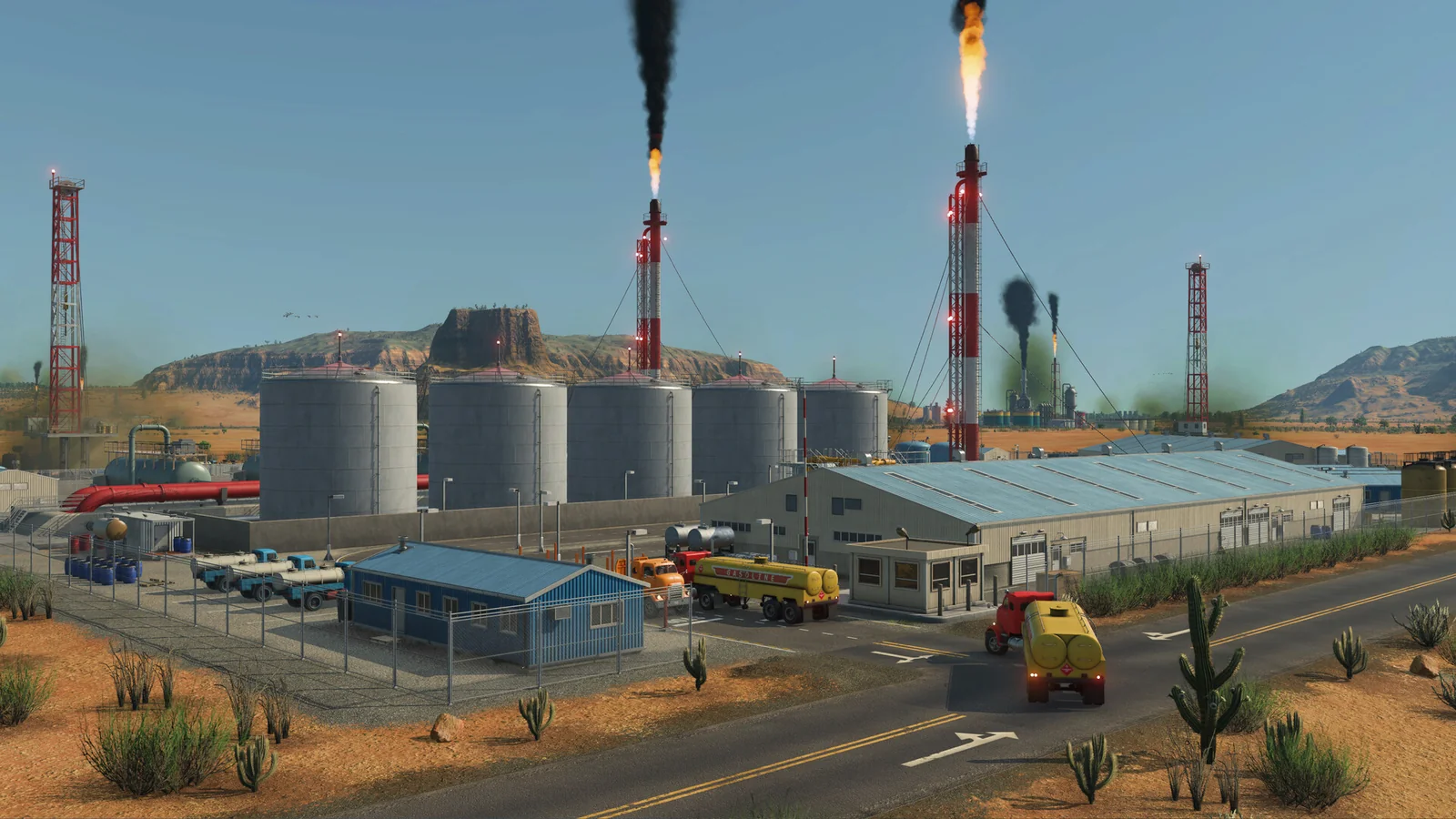
Start with a town district that requests a product. Find the supplier and inspect the route’s loading, unloading and storage. When goods change between lines, inspect the warehouse serving the nearby stations. Adding another vehicle cannot repair a missing handoff.
Sources: TF3 manual · Industries and Cargo · TF3 manual · Warehouses
What to look for in gameplay footage
- Look beyond a cinematic close-up: watch line creation, vehicle assignment and a complete delivery.
- Check the platform, recording date, map size and whether mods or unlimited money are enabled.
- For a buying decision, watch menu navigation as well as building tools; the interface is part of daily play.
Your first session
- Start the campaign introduction or a manageable free-game map.
- Pick one destination with visible demand.
- Build the compatible stops, depot and connection.
- Create the line and assign a suitable vehicle.
- Inspect loading, delivery and the return journey; change one constraint at a time.
Where this answer comes from
Checked 2026-10-22. Each claim links to the published material it comes from. Inspection sequences are Routebook’s editorial suggestions.
- TF3 manual · Lines and Vehicles Official wiki
- TF3 manual · Towns Official wiki
- Urban Games · TF3 FAQ Official
- TF3 manual · Free Game Official wiki
- TF3 manual · Industries and Cargo Official wiki
- TF3 manual · Warehouses Official wiki